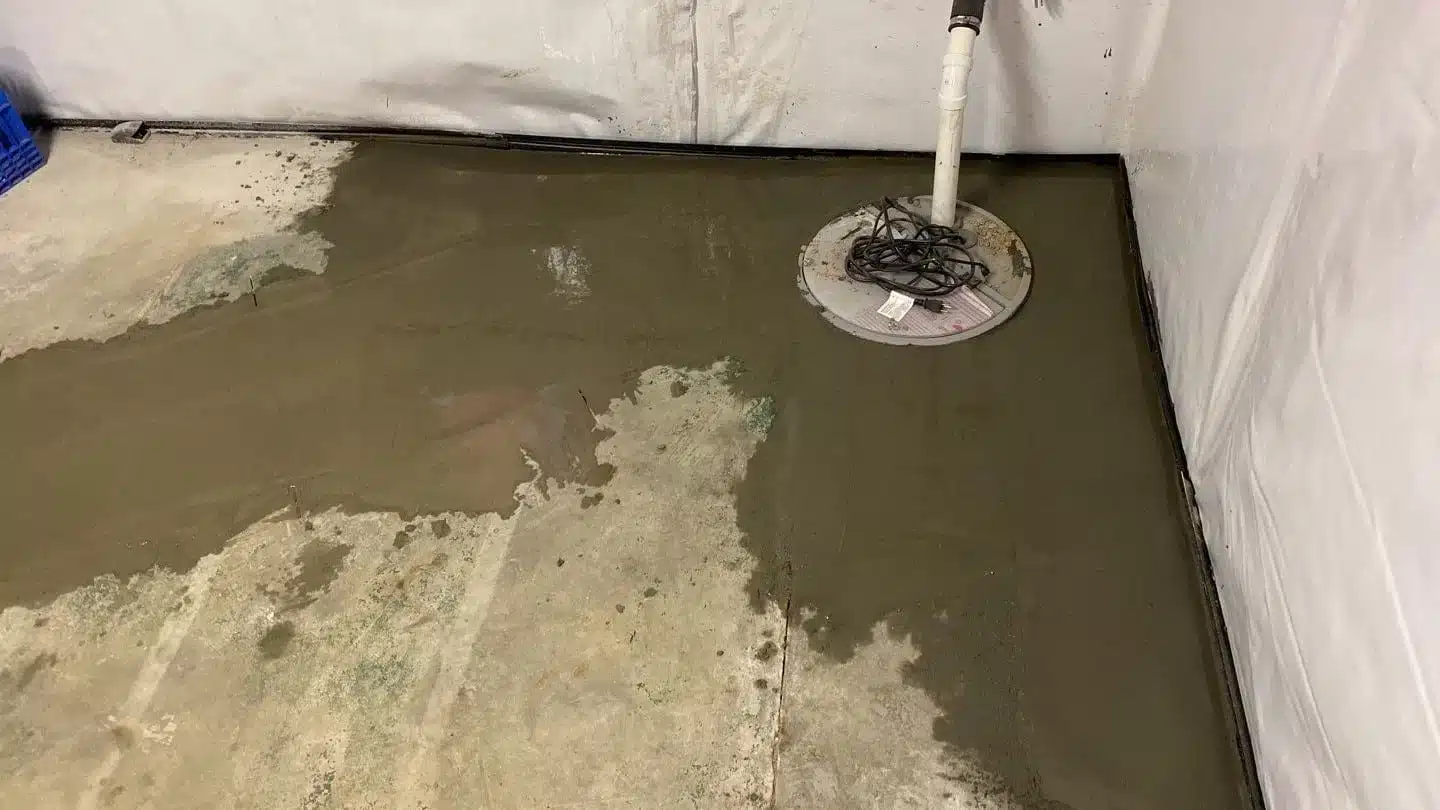
A basement is an area of the home that is partially or entirely underground, typically with poured concrete or concrete block walls, and serves as an anchor for the foundation. Basements provide extra space for storage, mechanical systems, or living space, and even help stabilize the structure by supporting load-bearing walls. When built correctly, basements manage moisture and soil pressure, keeping your home safe from problems. A basement is an essential part of many homes that both maximizes space and keeps the structure strong and secure.
Do All Houses Have Basements?
Not every house has a basement; it depends on factors like soil, climate, and how the house is built. Basements are convenient, as they can be used for storage and living, while making it easier to access plumbing, electrical, and HVAC systems. However, basements are also structural, as they help keep the house stable and protect it from shifting soil. They manage moisture, which helps prevent water damage and foundation issues. Whether a slab basement or a crawl space, basements are popular for both extra space and the long-term stability they provide to a home.
Common Types of Basements
Basements come in all kinds of styles, each one made to work with different needs, soil conditions, and home designs. Here are the most common types.
- Full basement: The space under the house can be utilized for storage, utilities, or living areas, while also providing structural support.
- Partial basement: This extends under part of the home, mainly for storage or mechanical systems, not extending under the whole house.
- Walkout basement: This building has one side at ground level for easy outdoor access, making it ideal for sloped lots or extra living space.
- Daylight basement: These feature large windows that let in natural light, making the space below ground feel brighter and more open.