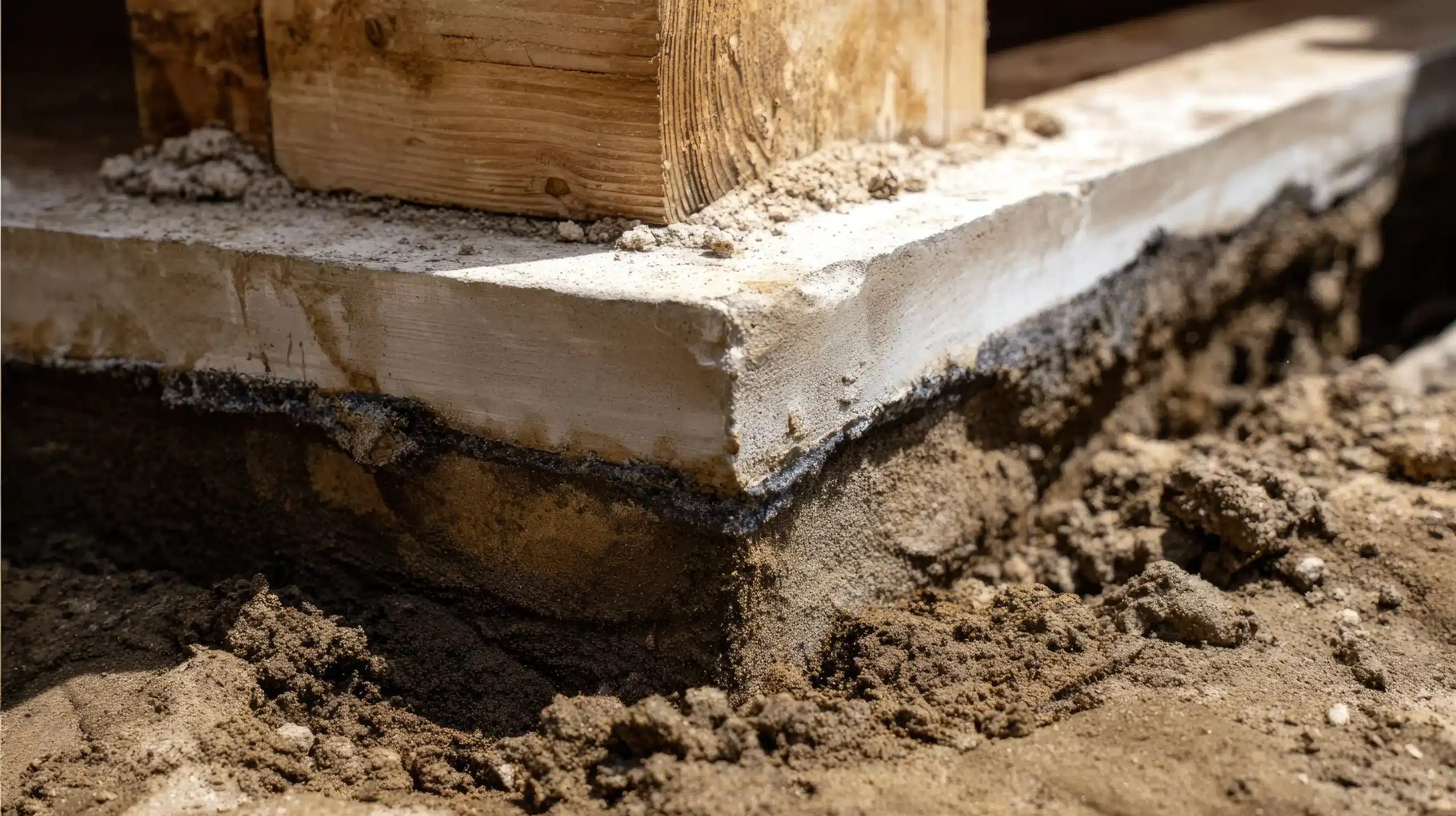
Different types of soil affect the foundation of your building in various ways. Some soils remain stable, while others can expand, shrink, or shift over time, but these changes can put stress on a foundation and impact its long-term stability. Choosing the right soil type is essential for a stronger foundation, and understanding the available types helps you learn why foundation problems occur and how to avoid or fix them.
Why Are Soil Types Important?
Your home’s foundation should be built properly on solid ground, because it’s the pillar that supports your entire household. If the soil under your home is unstable, the foundation may crack or sink, or, worse, the entire building could collapse. The type of soil plays a big role in how the foundation needs to be designed, like how deep it goes and how much support it needs. Knowing what kind of soil is under your house and its characteristics can help you spot potential foundation issues before they become a bigger problem.
Common Types of Soil
Homes across Kansas are built on different soil types, and each one affects how a foundation performs. Soil types all handle weight differently, and the specific type plays an important role in the building’s long-term stability.
- Western Kansas (silt loam/loess soils): Western Kansas has deep silt loam soils formed from wind-blown sediment. The most well-known is Harney silt loam, which is the official state soil. It is dark, fertile, and great for growing wheat. These soils usually provide good support for homes because they are deep and stable.
- Central Kansas (clay/loam soils): Central Kansas has more clay in the soil. Clay holds water well, but it expands when wet and shrinks when dry. This movement can put pressure on foundations and cause cracks over time. Sandy soils are also found near rivers in this area.
- Eastern Kansas (silty clay loam/glacial): Eastern Kansas has older, more weathered soils. Silty clay loam is common, and some areas have shallow, rocky ground. Southeastern Kansas often has claypan soils. These soils have a dense layer underneath that blocks water from draining properly. When water builds up, the soil can expand and cause foundation movement.
- River valleys (alluvial soils): Major rivers like the Kansas and Missouri Rivers have rich alluvial soils, such as the Eudora and Sarpy series. While these soils are strong and fertile, their closeness to water requires consideration of groundwater levels and flood risks when evaluating foundation support.
- Shallow and rocky soils (Flint Hills area): In rocky and hilly regions such as the Flint Hills, soils are often shallow and stony. These areas are generally better suited for grazing than construction. When homes are built in these regions, special foundation considerations may be necessary due to limited soil depth and uneven terrain.
Selecting the Foundation Based on Soil Type
Different types of soil require different foundation solutions. Stable soils can support standard foundations with minimal support, while expansive soils like clay require deeper or stronger foundations to withstand the natural movement. Meanwhile, loose or shifting soils may require foundations that direct weight to more stable layers below. Picking the right soil for the foundation is essential for long-term stability and performance.