
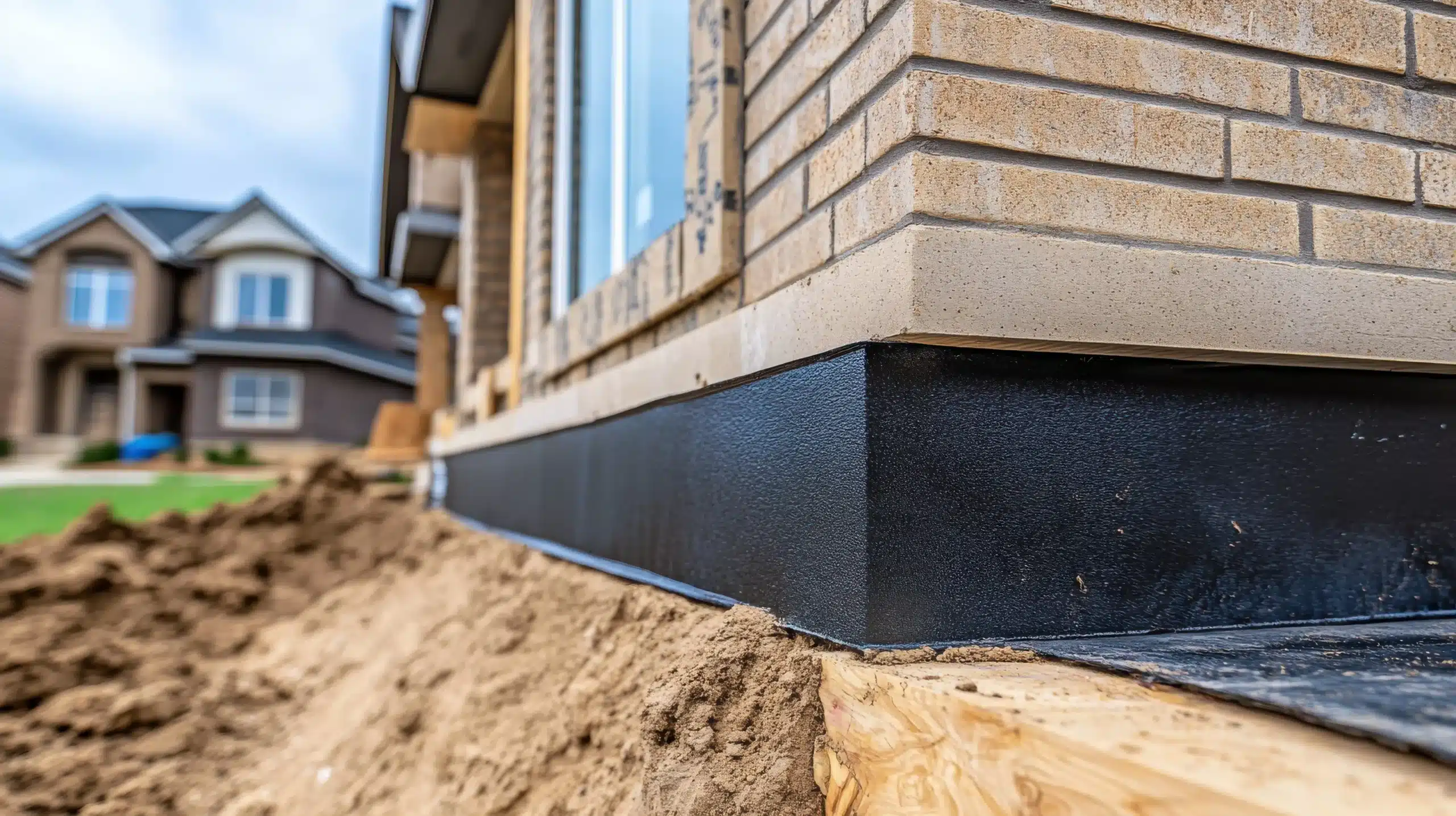
Foundation tar coating is a black, sticky material that protects basement walls from underground moisture. The tar coating creates a waterproof barrier between the foundation and the surrounding damp soil. Builders apply this substance to the outside of foundations during construction to stop water from entering through the concrete.
How to Apply Tar to a Foundation
The process begins with thoroughly cleaning the foundation walls to remove all dirt and loose particles. Workers then check for cracks and fill them with patching material to create a smooth surface. Once repairs are complete, they apply the tar coating using brushes or rollers in even strokes, ensuring it extends at least one foot above the ground level for complete protection. After application, the tar needs to dry completely before soil is carefully placed back around the foundation.
Pros & Cons of Foundation Tar Coating
Tar coating provides a basic layer of protection for your foundation against moisture. Before choosing this option, it’s important to weigh what it does well against its limitations.
Pros:
- Tar coating is one of the most affordable foundation protection options available.
- It creates a solid barrier that blocks moisture from entering through the concrete.
- The material resists weather damage and wear from soil contact.
- It stops water from moving upward through walls into your basement.
Cons:
- As tar ages, it loses flexibility to stretch over new cracks that form when foundations settle.
- It cannot resist standing water pressure or groundwater accumulation.
- Harmful fumes released can cause irritation to your lungs and skin.
- The coating deteriorates quickly in wet conditions and is difficult to remove.
Can Tar Be Used for Waterproofing?
Tar can be used to waterproof foundations and basements, although its primary function is a damp-proofing agent. It prevents some moisture but doesn’t act as a comprehensive water barrier. This tar is commonly used in new homes to meet building codes and performs well in dry regions where there’s little to no water buildup. It does not withstand strong water pressure and breaks down in harsh, wet conditions, so it’s not suitable for basements in areas with high levels of groundwater.